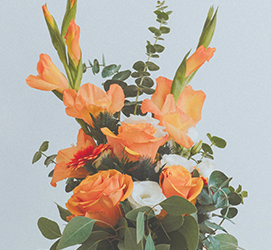
Bromley Council Rules for Funeral Flowers and Tributes
Posted on 03/10/2026
If you are arranging funeral flowers in Bromley, the last thing you want is avoidable stress on the day. The Bromley Council Rules for Funeral Flowers and Tributes are usually less about complicated red tape and more about sensible expectations: where flowers can go, how they should be presented, who to check with, and what to do if the service is at a cemetery, crematorium, or chapel. In a difficult week, that kind of clarity matters more than people realise.
Truth be told, most families are not trying to do anything fancy. They just want the tribute to arrive on time, look respectful, and sit where it should without causing a problem. That's what this guide is for. We'll walk through the practical side of council rules, what they usually mean in real life, how to avoid common mistakes, and how to choose funeral flowers or memorial tributes that feel appropriate for the service.
Whether you are ordering a wreath, a coffin spray, a name tribute, or a simple sympathy arrangement, the main job is the same: make things easier, not harder. And that is perfectly achievable.
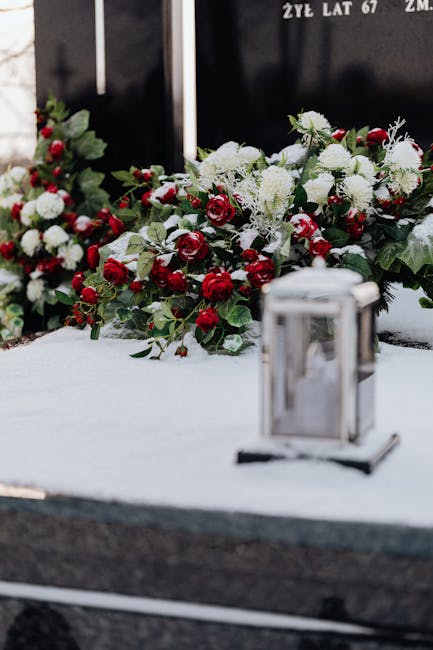
Table of Contents
- Why Bromley Council Rules for Funeral Flowers and Tributes Matters
- How Bromley Council Rules for Funeral Flowers and Tributes Works
- Key Benefits and Practical Advantages
- Who This Is For and When It Makes Sense
- Step-by-Step Guidance
- Expert Tips for Better Results
- Common Mistakes to Avoid
- Tools, Resources and Recommendations
- Law, Compliance, Standards, or Best Practice
- Options, Methods, or Comparison Table
- Case Study or Real-World Example
- Practical Checklist
- Conclusion
- Frequently Asked Questions
Why Bromley Council Rules for Funeral Flowers and Tributes Matters
Funeral flowers are not just decoration. They carry messages that are often hard to say out loud. A wreath can express respect. A casket spray can show love. A simple posy can be quietly dignified. But those arrangements only work well when they fit the venue's expectations and the family's wishes.
Bromley Council rules matter because cemeteries, crematorium grounds, memorial areas, and public spaces each have their own way of managing floral tributes. Some places allow flowers to remain for a period after the service. Others may need them collected promptly. Some may accept only certain types of arrangements in particular areas. That may sound a bit fussy, but it helps keep the site orderly and respectful for everyone.
There is also a very human reason. On a day when emotions are already high, small practical problems feel twice as big. Imagine arriving at a service and finding that a tribute was placed in the wrong location, or that a name tribute is too large for the available space. Nobody wants that scramble. Nobody.
So, the rules are not there to make things difficult. They are there to keep the service calm, safe, and dignified. In our experience, the families who plan a little ahead tend to feel far more settled on the day.
Expert summary: The safest approach is to treat Bromley Council funeral flower guidance as a practical planning tool: confirm where the tribute is going, what size or style is suitable, and when it should arrive or be removed.
How Bromley Council Rules for Funeral Flowers and Tributes Works
At a practical level, funeral flower rules usually revolve around a few things: the type of venue, the nature of the tribute, and the timing of delivery and collection. A cemetery may have different expectations from a crematorium. A chapel service may have different rules from a graveside farewell. That's normal across the UK, and Bromley is no exception.
The process usually works like this:
- The family or funeral director confirms the venue for the service.
- The florist designs the tribute to suit the occasion and the space available.
- The arrangement is delivered to the correct address, at the right time, with clear instructions.
- The tribute is placed in the agreed location for the service.
- After the service, flowers are either collected by the family, left for a period of remembrance, or removed according to the venue's rules.
That simple sequence sounds obvious, but it is where a lot of problems are avoided. A florist who understands local funeral logistics will ask sensible questions: Is it for the crematorium, the church, or the graveside? Will the tribute be displayed on a stand, near the coffin, or in a family area? Does the order need a card message attached, or a named ribbon? Those details make a real difference.
It is also worth saying that funeral tributes are often handled in a quiet, respectful way behind the scenes. You may not see the coordination, but it is happening. Delivery windows, venue access, and the order of service all affect whether everything goes smoothly.
If you are choosing flowers for a service in the area, a dedicated funeral flowers service in St Mary Cray can be a practical place to start, especially if you need something arranged carefully and delivered without fuss.
Key Benefits and Practical Advantages
Following the right council guidance is not just about staying "within the rules". It makes the whole experience easier for everyone involved. A well-planned tribute reduces stress, avoids last-minute changes, and helps the flowers look their best when it matters most.
- Less risk of placement issues: You avoid arranging a tribute that is too large or unsuitable for the space.
- Better timing: Funeral flowers can be delivered when the venue is ready to receive them, not too early and not too late.
- More respectful presentation: The tribute sits comfortably within the service, rather than looking awkward or out of place.
- Clearer communication: Everyone knows what is being delivered, where it should go, and who should handle it.
- Less family stress: You don't have to sort out floral problems on a day that is already emotionally full.
There is a quieter benefit too: confidence. When you know the practical side has been handled properly, you can focus on the person being remembered. That matters more than people admit.
For families who want a respectful range of sympathy and memorial options, a florist's funeral collection can help narrow the choice quickly, without endless scrolling.
Who This Is For and When It Makes Sense
This guidance is useful for anyone arranging flowers for a funeral, cremation, burial, memorial service, or remembrance gathering in Bromley. That includes family members, close friends, colleagues, faith communities, and funeral directors coordinating on behalf of others.
It makes particular sense if you are:
- ordering for the first time and are unsure what is appropriate
- planning a service with limited space or formal venue rules
- sending flowers from a distance
- choosing between a wreath, spray, posy, basket, or tribute lettering
- trying to balance budget, sentiment, and local expectations
It also matters when the tribute has cultural or religious significance. Different communities may use flowers differently, and the style of tribute can carry meaning beyond the visual look. A white wreath, for example, can feel very different from a colourful basket or a letter tribute. The right choice is not just about flowers. It is about context.
If you are not sure which arrangement feels right, a thoughtful sympathy option from the sympathy flowers range can be a gentle, respectful starting point.
Step-by-Step Guidance
If you want to avoid confusion, work through the process in order. It really does help.
1. Confirm the venue and service type
Start by checking whether the flowers are for a crematorium, cemetery, church, chapel, or graveside service. Each one may have different practical limits. If a funeral director is involved, ask them where tributes should go and whether there are any restrictions on size or display.
2. Decide what the tribute is meant to say
Do you want a formal tribute, a family-focused piece, or something more personal? A heart tribute, letter tribute, or bespoke design can express a very specific message. A wreath or spray is often more traditional. A basket or posy may feel softer and easier to handle.
3. Choose the right flower type and colour palette
White is often chosen for calm, purity, and simplicity. Lilies, roses, chrysanthemums, and carnations are common funeral flowers in the UK because they read well in a service setting and last well when arranged professionally. That said, colour can matter too. Purple can feel dignified, pink gentle, and mixed shades more personal.
4. Check tribute wording carefully
If the tribute includes a name, initials, or a message, check the spelling. Check it again. Then one more time, because grief has a funny way of making simple details slip through the net. A small error can feel much bigger on the day.
5. Arrange delivery timing
Delivery timing is critical. The tribute needs to arrive in the right window so it can be set up safely and not left unattended. If it is a same-day need, you will want to make that clear as early as possible.
6. Decide what happens after the service
Will the family take flowers home? Will they remain at the graveside? Will they be laid at a memorial site? This is one of those small questions that saves hassle later. The venue may also have its own guidance on removal and collection.
7. Keep the card message simple and sincere
Short messages usually work best. A few words of love, memory, or condolence often carry more weight than a long speech squeezed into a florist card.
If you are sending something quickly, a local same-day option can be helpful. For example, a same-day flower delivery service can make a real difference when the funeral date is close and time is tight.
Expert Tips for Better Results
Here are the things that tend to make the biggest difference in practice.
- Keep the tribute proportional. A large design is not always better. The best tribute is the one that fits the setting.
- Choose flowers that travel well. Some blooms hold up better during transport and display than others, especially in cooler weather.
- Use clear written instructions. If the venue is not obvious, name the building, entrance, or contact point. Don't assume everyone knows where to go.
- Match the tone to the person. A bright, full arrangement can be beautiful, but not every family wants that. Sometimes quiet elegance is the better route.
- Think about visibility. Funeral tributes are often seen from a short distance, so shape and contrast matter more than tiny details.
- Ask about collection. If you expect flowers to be returned or divided after the service, say so early.
One practical tip many people forget: if a tribute has lettering, photograph it before it leaves the shop. It sounds a bit clinical, but when the service is over and memories blur together, having a quick reference can be reassuring.
If you need a florist who can help you choose appropriate options without overcomplicating things, browsing flower shops in St Mary Cray can be a sensible way to compare styles and availability.
Common Mistakes to Avoid
Most funeral flower problems are avoidable. The tricky part is that they often happen during a rushed, emotional period, which is exactly when people are least likely to spot them.
- Leaving the order too late: This can limit choice and make delivery harder to coordinate.
- Not confirming the venue: A tribute arranged for a crematorium may not suit a graveside service, and vice versa.
- Ignoring size: Big and beautiful is not always practical. Space is real.
- Using unclear wording: "Dad" might be right, but if there are multiple family branches involved, make sure the wording is agreed.
- Overloading the arrangement: Too many colours or too much detail can make the tribute feel less calm than intended.
- Forgetting about collection: Someone needs to know who takes flowers afterwards.
Another common issue is trying to make a tribute do too much. A funeral arrangement does not need to explain everything. Often, the most beautiful tributes are the simplest ones. Let them breathe a bit.
Tools, Resources and Recommendations
You do not need a load of complicated tools to get this right. A short checklist, a clear phone note, and a reliable florist are usually enough. Still, a few practical resources make the process smoother.
- Order notes: Keep the full name, service time, venue address, and requested wording together in one place.
- Photo references: If you have a style in mind, keep a visual example handy. It helps avoid misunderstandings.
- Venue details: Ask for any access instructions, arrival timing, or florist drop-off notes.
- Budget range: Decide roughly what you are comfortable spending before choosing the style.
- Message draft: Write the card text in advance so you can check it calmly before ordering.
For those looking for a wider selection of memorial and sympathy pieces, options like wreaths, sprays, and tributes can help you compare formats before deciding. That sort of comparison is especially useful when you are choosing under pressure and the clock is ticking.
If you prefer a softer, more understated style, a basket or posy can feel discreet and easy to place, particularly in smaller services.
Law, Compliance, Standards, or Best Practice
Funeral flower arrangements are not usually governed by complex legal rules in the way some regulated services are, but they are still shaped by venue policy, public safety, and good practice. That is the sensible way to think about it.
In practical terms, the important points are:
- Venue instructions matter: Crematoriums, cemeteries, churches, and memorial gardens may all have their own operating rules.
- Access and safety matter: Staff need tributes delivered in a way that does not obstruct pathways or create hazards.
- Respectful handling matters: Flowers should be placed and removed carefully, especially where ashes plots, graves, or memorial features are involved.
- Family instructions matter: If the family has a preference for collection, sharing, or leaving flowers in place, that should guide the order.
Best practice is simply this: check before you assume. That one habit prevents most issues. It also shows care, which is what people remember.
If you are ordering from a florist, it is wise to review the shop's terms, delivery information, and refund policy so you know how timing, substitutions, or unforeseen problems are handled. Not glamorous reading, granted, but useful.
Options, Methods, or Comparison Table
Different types of funeral flowers serve different purposes. Here is a simple comparison to make the choice less overwhelming.
| Tribute type | Best for | Typical feel | Practical note |
|---|---|---|---|
| Wreath | Traditional remembrance and formal services | Classic, circular, respectful | Often suitable for display and easy to recognise from a distance |
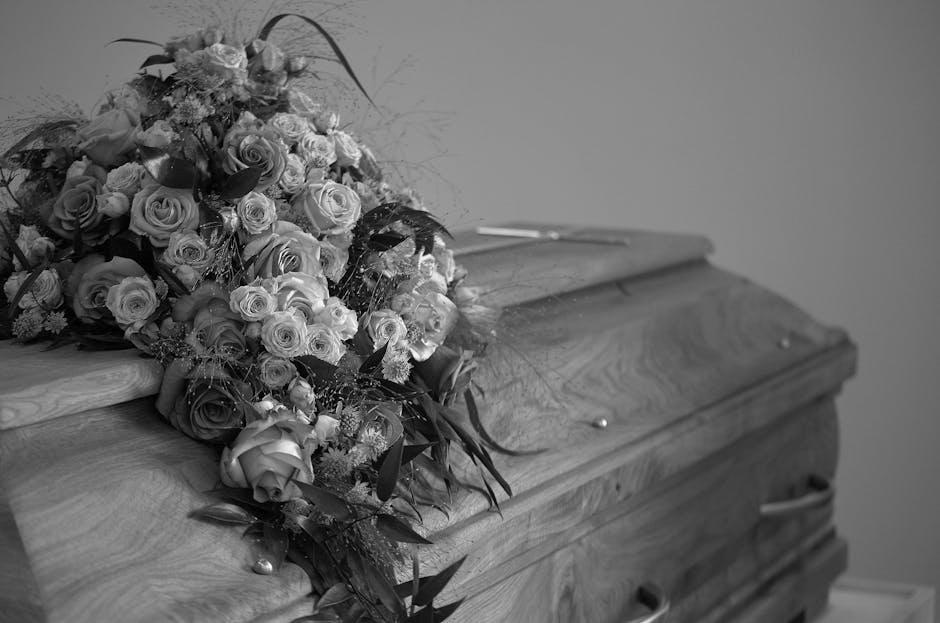
| Casket spray | Placed on the coffin | Central, personal, prominent | Usually chosen by the closest family |
| Letter tribute | Names, initials, nicknames, or short messages | Personal and expressive | Needs accurate spelling and enough space |
| Posy or basket | Smaller services or simple condolences | Gentle and understated | Easy to place and often less formal |
| Heart tribute | Family-centred remembrance | Warm, emotional, loving | Often chosen for close relatives |
If you are unsure which option is most appropriate, consider the service setting first, then the relationship, then the message. In that order. It sounds basic, but it works.
For people who want something more tailored, specialist arrangements such as letter tributes or a funeral card can make the tribute feel personal without becoming overly elaborate.
Case Study or Real-World Example
Here's a realistic example from the kind of situation many families face.
A family in Bromley needed a tribute for a mid-morning crematorium service. They wanted something simple, white, and respectful, but they were unsure whether to choose a wreath, spray, or posy. The service time was close, the family were travelling separately, and the venue instructions had been passed around by text, which is never ideal when things are already hectic.
After a quick check of the venue details, they chose a modest white spray with a short message from the children. The florist confirmed delivery timing, attached the card, and arranged the tribute so it would be ready before the guests arrived. Nothing dramatic. No fuss. Just done properly.
The family later said the most valuable part was not the flowers themselves, though they were lovely. It was the feeling that one piece of the day had been quietly taken care of. And that is often the real job of funeral flowers: not to stand out, but to settle the room.
That kind of calm is hard to put a price on, really.
Practical Checklist
Use this before placing your order.
- Confirm the venue and service type
- Check the date and exact delivery window
- Ask whether there are size or placement limits
- Decide on wreath, spray, posy, basket, heart, or letter tribute
- Choose colours that suit the tone of the service
- Check spelling for names, dates, and message wording
- Confirm who will receive or collect the flowers after the service
- Keep a copy of the order details and contact number
- Ask about substitutions if certain flowers are unavailable
- Review the florist's delivery and refund terms
If you can tick those off, you are in a very good place. Not perfect, perhaps. But very good, and that is enough for most families.
Conclusion
The Bromley Council Rules for Funeral Flowers and Tributes are best understood as practical guidance for a respectful service, not as a hurdle to jump over. Once you know the venue, the timing, the style of tribute, and any local expectations, everything becomes much easier to manage.
A good funeral tribute does not need to be extravagant. It needs to feel right. It needs to arrive on time. And it needs to support the day, not complicate it. If you keep those three things in mind, you will make a thoughtful choice that honours the person properly.
For many families, that small bit of certainty is a relief in itself. One less thing to worry about. One more thing handled with care.
Get a free quote today and see how much you can save.
When the flowers are chosen with care and the details are checked properly, the tribute can do what it is meant to do: speak quietly, beautifully, and with love.
Frequently Asked Questions
What are Bromley Council Rules for Funeral Flowers and Tributes?
They are the practical expectations and venue-specific guidance that affect where funeral flowers and tributes can be delivered, displayed, and removed in Bromley. The exact details depend on the service location.
Do I need council permission to send funeral flowers?
Usually no formal permission is needed for a standard tribute, but the venue may have its own rules about delivery, placement, size, or collection. Always check the service location in advance.
Can I send flowers to a crematorium in Bromley?
Yes, in many cases you can, but the crematorium may have instructions about delivery times, where tributes should be left, and how long they may remain after the service.
What is the best type of funeral flower tribute?
That depends on the relationship and the service. Wreaths and sprays are traditional, while baskets, posies, hearts, and letter tributes can feel more personal or specific.
How far in advance should I order funeral flowers?
As early as possible, especially if the service is on a fixed date. If time is short, ask about same-day or next-day options and confirm the delivery window carefully.
Are white flowers always the right choice for funerals?
Not always, although white is a very common and safe choice. Some families prefer soft pastels, a single colour theme, or something brighter if it reflects the person's character.
Can funeral flowers be personalised?
Yes. Tributes can often be personalised with names, initials, favourite colours, ribbon wording, or shaped designs such as hearts, letters, or themed arrangements.
What happens to funeral flowers after the service?
That depends on the family's wishes and the venue rules. Flowers may be taken home, placed at a graveside, left at a memorial site, or collected later.
How do I make sure my tribute wording is correct?
Write the wording out clearly, check the spelling, and confirm it with another person if possible. A simple message is often best, especially under time pressure.
Is it okay to send sympathy flowers if I cannot attend the funeral?
Yes, absolutely. Sympathy flowers are a thoughtful way to show support when you cannot be there in person, and they are often appreciated by the family.
What if the venue has restrictions on large tributes?
Choose a smaller format such as a posy, basket, or compact spray. A good florist can guide you toward something respectful that still fits the space.
Can I choose funeral flowers based on budget?
Yes. Funeral flowers can be tailored to different budgets. The key is choosing a style that suits the setting and keeps the tribute looking balanced rather than overdone.
What if I am ordering from outside Bromley?
That is fine. Just make sure the delivery details are complete, the venue name is exact, and the recipient or funeral director knows to expect the tribute.
Should I send a card with funeral flowers?
In most cases, yes. A simple card message helps the family understand who the tribute is from and adds a personal, human touch to the flowers.